Cybersecurity Best Practices for Government Digital Platforms
Posted on AUGUST 12, 2026
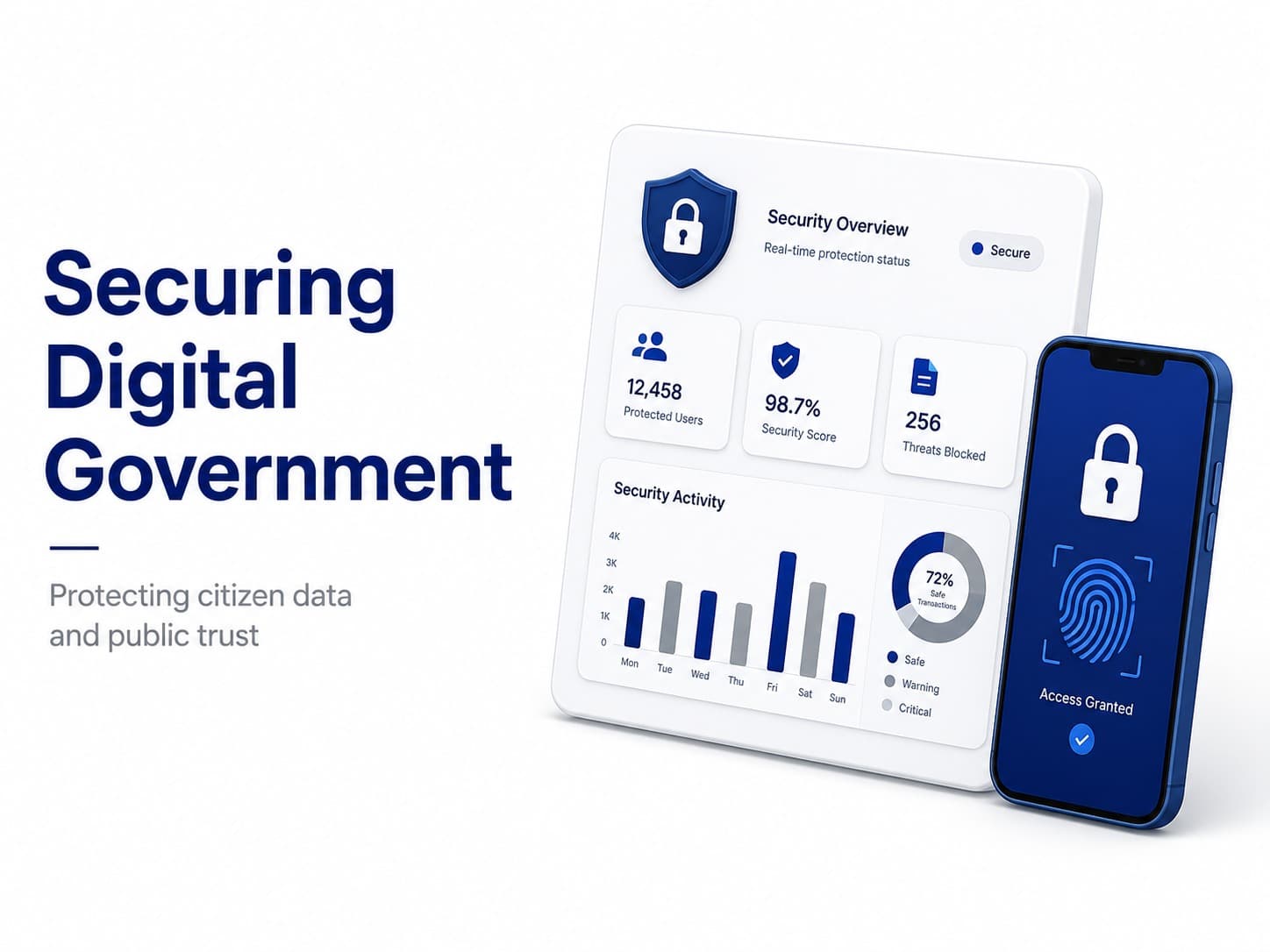
As governments continue to expand digital services, cybersecurity has become a critical component of modern governance. Citizen service portals, procurement systems, financial management platforms, GIS applications, and digital records systems all handle sensitive information that must be protected from cyber threats.
While digital transformation improves efficiency, transparency, and accessibility, it also increases the need for robust security measures. Government agencies must adopt comprehensive cybersecurity strategies to safeguard data, maintain public trust, and ensure the continuity of essential services.
Why Cybersecurity Matters for Government Platforms
Government systems store and process large volumes of sensitive information, including citizen records, financial data, procurement documents, and operational information.
Without adequate security controls, organizations may face risks such as:
- Unauthorized access to sensitive data
- Data breaches and information theft
- Ransomware and malware attacks
- Service disruptions and downtime
- Financial losses and recovery costs
- Loss of public trust and credibility
A proactive cybersecurity approach helps mitigate these risks while ensuring the safe delivery of digital public services.
Common Cybersecurity Threats Facing Government Systems
Phishing Attacks
Cybercriminals often use deceptive emails, messages, or websites to trick employees into revealing passwords, sensitive information, or system access credentials.
Ransomware
Ransomware attacks encrypt critical data and systems, demanding payment in exchange for restoration. Such attacks can significantly disrupt government operations.
Insider Threats
Unauthorized actions by employees, contractors, or third-party vendors can expose sensitive information or compromise system security.
Data Breaches
Weak security controls or software vulnerabilities may allow attackers to gain unauthorized access to confidential government information.
Distributed Denial-of-Service (DDoS) Attacks
DDoS attacks overwhelm systems with excessive traffic, making digital services unavailable to citizens and stakeholders.
Essential Cybersecurity Best Practices
Implement Strong Access Controls
Access to government systems should be granted based on roles and responsibilities. Role-based access control ensures users can only access information necessary for their duties.
Recommended measures include:
- Multi-factor authentication (MFA)
- Strong password policies
- Role-based permissions
- Regular access reviews
Protect Sensitive Data
Data protection should be integrated into every layer of digital platforms to prevent unauthorized access and information leakage.
Organizations should:
- Encrypt data at rest and in transit
- Secure backup systems
- Implement data classification policies
- Limit access to sensitive records
Maintain Regular Software Updates
Outdated software often contains vulnerabilities that attackers can exploit. Regular updates and security patches help reduce exposure to known threats.
Conduct Security Audits and Assessments
Periodic security assessments help identify vulnerabilities before they can be exploited. Audits should evaluate infrastructure, applications, user access controls, and security policies.
Monitor Systems Continuously
Continuous monitoring enables organizations to detect suspicious activities, unusual access patterns, and potential security incidents in real time.
Building a Security-Aware Workforce
Technology alone cannot prevent cyber incidents. Employees play a critical role in maintaining organizational security.
Effective cybersecurity awareness programs should cover:
- Identifying phishing attempts
- Password management best practices
- Safe handling of sensitive information
- Reporting suspicious activities
- Responsible use of government systems
Regular training helps reduce human error and strengthens the organization's overall security posture.
The Importance of Incident Response Planning
Even with strong preventive measures, security incidents can still occur. Government agencies should maintain a well-defined incident response plan to minimize disruption and accelerate recovery.
A comprehensive response plan should include:
- Incident detection and reporting procedures
- Response team responsibilities
- Communication protocols
- Data recovery processes
- Post-incident analysis and improvement measures
Securing Cloud-Based Government Services
Many government organizations are adopting cloud platforms to improve scalability and accessibility. While cloud solutions offer significant benefits, they also require strong security controls.
Best practices for cloud security include:
- Selecting trusted cloud providers
- Implementing identity and access management controls
- Encrypting cloud-stored data
- Monitoring cloud environments continuously
- Maintaining compliance with security standards
Emerging Trends in Government Cybersecurity
Zero Trust Security
Zero Trust frameworks require continuous verification of users, devices, and applications before granting access to resources.
Artificial Intelligence for Threat Detection
AI-powered security tools can analyze large volumes of data, detect anomalies, and identify potential threats faster than traditional methods.
Automated Security Operations
Automation is helping organizations improve threat response times, streamline monitoring processes, and reduce the burden on security teams.
Privacy-First Digital Services
Governments are increasingly adopting privacy-by-design principles to ensure citizen data protection is embedded into digital platforms from the outset.
Looking Ahead
Cybersecurity is no longer an optional consideration for government digital platforms—it is a fundamental requirement for delivering secure and trustworthy public services. As cyber threats continue to evolve, public institutions must remain vigilant and invest in modern security practices, technologies, and workforce capabilities.
By implementing strong cybersecurity measures, government agencies can protect sensitive information, maintain operational resilience, and build greater confidence in digital public services. The future of digital government depends not only on innovation but also on the ability to secure and safeguard the systems that citizens rely upon every day.
Similar Blogs
AUGUST 12, 2026
Mobile App Development: Driving Digital Transformation Across Industries
Explore how mobile apps boost engagement, streamline operations, and drive digital transformation.
Read more
JUNE 4, 2026
How AI Chatbots Are Transforming Citizen Support Services
See gow AI chatbots enable faster, smarter, and more accessible citizen support.
Read more
JUNE 4, 2026
Modernizing Public Procurement Through Digital Platforms
See how Digital procurement platforms enhance transparency, efficiency, and oversight.
Read moreLet’s Engineer Your Digital Future And Make It Happen
Whether you're just starting out or refining an existing idea, we're here to listen and help. Connect with us for a free consultation and personalized guidance.
Book a free consultation