Modernizing Public Procurement Through Digital Platforms
Posted on AUGUST 12, 2026
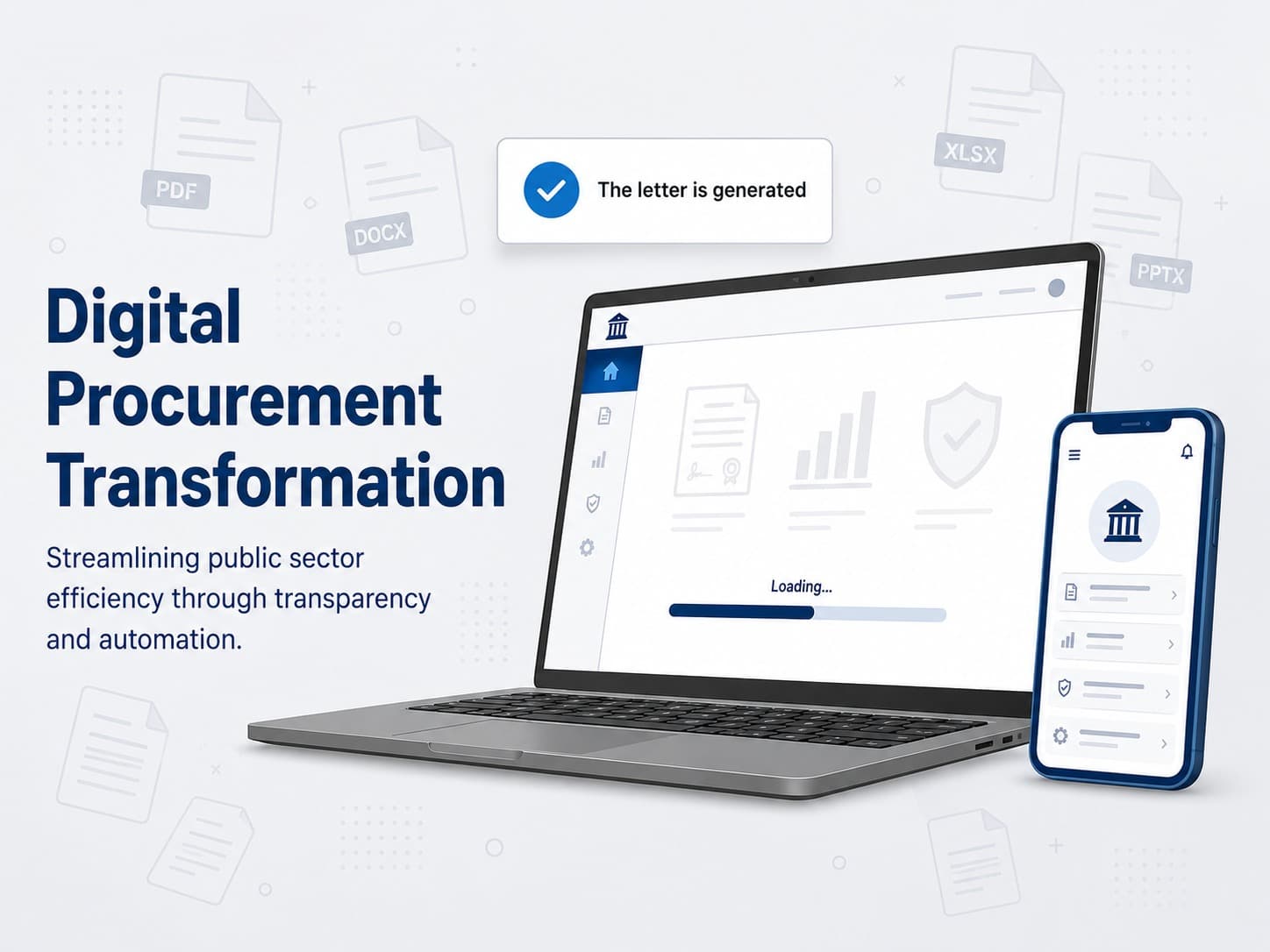
Public procurement plays a critical role in government operations, enabling agencies to acquire goods, services, and infrastructure required to deliver public value. However, traditional procurement processes are often burdened by excessive paperwork, fragmented record-keeping, lengthy approval cycles, and limited transparency.
As governments accelerate their digital transformation initiatives, procurement is emerging as one of the most impactful areas for modernization. Digital procurement platforms are helping public institutions streamline procurement workflows, improve accountability, strengthen compliance, and achieve greater operational efficiency.
Why Public Procurement Needs Digital Transformation
Traditional procurement systems frequently rely on manual processes that increase administrative workload and create opportunities for delays and inconsistencies.
Common challenges include:
- Paper-based documentation and approvals
- Disconnected procurement records across departments
- Lengthy bid evaluation processes
- Limited visibility into procurement activities
- Difficulty maintaining regulatory compliance
- Challenges in vendor and contract management
Digital procurement platforms address these issues by centralizing procurement activities within a secure and transparent environment.
What Is a Digital Procurement Platform?
A digital procurement platform is a centralized system that manages the entire procurement lifecycle, from procurement planning and vendor registration to bid evaluation, contract management, and reporting.
These platforms provide government agencies with standardized workflows that improve efficiency while maintaining transparency and compliance with procurement regulations.
Key Benefits of Digital Procurement Platforms
Increased Transparency
Transparency is one of the most important goals of public procurement. Digital systems create a complete audit trail for every procurement activity, making it easier to track decisions, monitor approvals, and ensure accountability.
Benefits include:
- Clear documentation of procurement processes
- Centralized bid and vendor records
- Improved public accountability
- Reduced risk of information loss
Faster Procurement Cycles
Manual procurement processes often involve multiple rounds of paperwork, approvals, and document preparation.
Digital platforms streamline these workflows by:
- Automating routine administrative tasks
- Standardizing procurement procedures
- Reducing manual data entry
- Accelerating review and approval processes
As a result, procurement activities can be completed more efficiently without compromising governance standards.
Improved Vendor Management
Managing supplier information across multiple departments can be challenging. Digital procurement systems provide centralized vendor databases that maintain accurate supplier records and procurement histories.
Organizations can:
- Maintain standing vendor lists
- Track supplier performance
- Simplify vendor registration processes
- Improve supplier communication
Enhanced Compliance and Governance
Procurement regulations require careful documentation and adherence to established procedures. Digital platforms help organizations maintain compliance by enforcing standardized workflows and preserving complete records.
This reduces the risk of procedural errors while improving audit readiness.
Core Components of a Modern Procurement System
Procurement Planning
Digital systems help organizations create, manage, and monitor procurement plans aligned with budgets, development priorities, and operational requirements.
Bid Management
Procurement platforms centralize bid announcements, submissions, evaluations, and award processes, ensuring consistency and transparency throughout the procurement cycle.
Evaluation and Reporting
Automated evaluation tools simplify the preparation of evaluation reports, comparison matrices, and official meeting minutes.
This improves accuracy while significantly reducing administrative effort.
Contract Management
Digital contract management modules enable organizations to monitor contract milestones, deadlines, deliverables, and supporting documentation from a single platform.
Document Automation
Many procurement platforms automatically generate letters, notices, reports, and procurement-related documentation, reducing repetitive administrative work.
How Digital Procurement Improves Public Sector Efficiency
Reduced Administrative Burden
Automation minimizes repetitive manual tasks, allowing procurement teams to focus on strategic activities rather than paperwork.
Better Decision-Making
Centralized procurement data provides administrators with valuable insights into spending patterns, supplier performance, procurement timelines, and compliance metrics.
Stronger Financial Oversight
Digital systems improve visibility into procurement expenditures and contract commitments, supporting responsible financial management.
Improved Collaboration
Stakeholders across departments can access procurement information through a unified platform, improving communication and coordination.
The Role of Data and Analytics in Procurement
Modern procurement platforms generate valuable data that can be used to improve procurement performance and strategic planning.
Analytics dashboards help organizations:
- Monitor procurement activities in real time
- Track procurement timelines and bottlenecks
- Analyze spending patterns
- Evaluate supplier performance
- Identify process improvement opportunities
By transforming procurement data into actionable insights, governments can make more informed decisions and improve overall procurement outcomes.
Emerging Trends in Digital Procurement
Cloud-Based Procurement Systems
Cloud technology enables secure access to procurement platforms from anywhere while reducing infrastructure and maintenance costs.
Artificial Intelligence and Automation
AI-powered tools are beginning to support procurement activities through document analysis, workflow automation, risk assessment, and intelligent recommendations.
Integrated E-Governance Ecosystems
Procurement systems are increasingly being integrated with budgeting, planning, contract management, audit, and financial systems to create a unified digital governance environment.
Mobile Accessibility
Mobile-enabled procurement solutions allow stakeholders to review information, monitor activities, and approve workflows remotely, improving operational flexibility.
Building a Transparent and Efficient Procurement Future
Public procurement is no longer just an administrative function—it is a strategic driver of transparency, accountability, and effective public service delivery. Digital procurement platforms enable governments to modernize outdated processes, improve governance, and deliver better value from public spending.
As governments continue investing in digital transformation, procurement modernization will play a crucial role in building efficient institutions, reducing operational inefficiencies, and strengthening public trust. Organizations that embrace digital procurement today will be better positioned to meet future demands while ensuring transparency, compliance, and sustainable growth.
Looking Ahead
The future of public procurement lies in intelligent, data-driven, and fully digital ecosystems. By adopting modern procurement platforms, governments can streamline operations, enhance transparency, and create more responsive procurement processes that benefit both public institutions and citizens.
Digital procurement is not simply about replacing paper—it is about creating a smarter, more accountable, and more efficient foundation for public sector governance.
Similar Blogs
JUNE 4, 2026
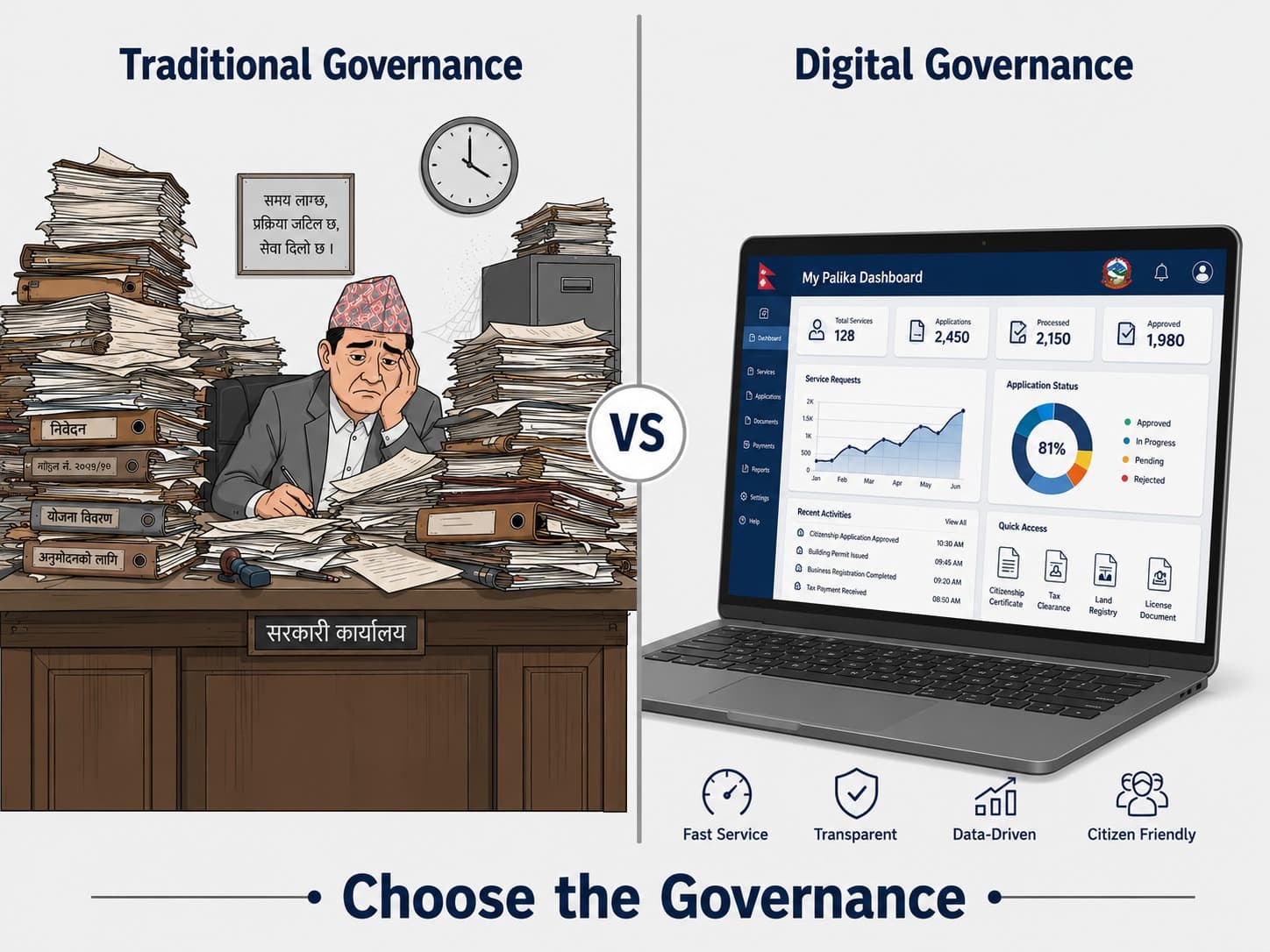
Digital Transformation for Local Governments
Discover how digital transformation helps municipalities modernize services, improve transparency, and create smarter, citizen-focused communities.
Read more
JUNE 4, 2026
How GIS Technology is Revolutionizing Public Infrastructure Monitoring
GIS technology improves infrastructure monitoring with real-time insights and greater transparency.
Read more
AUGUST 12, 2026
Mobile App Development: Driving Digital Transformation Across Industries
Explore how mobile apps boost engagement, streamline operations, and drive digital transformation.
Read moreLet’s Engineer Your Digital Future And Make It Happen
Whether you're just starting out or refining an existing idea, we're here to listen and help. Connect with us for a free consultation and personalized guidance.
Book a free consultation