Mobile App Development: Driving Digital Transformation Across Industries
Posted on AUGUST 12, 2026
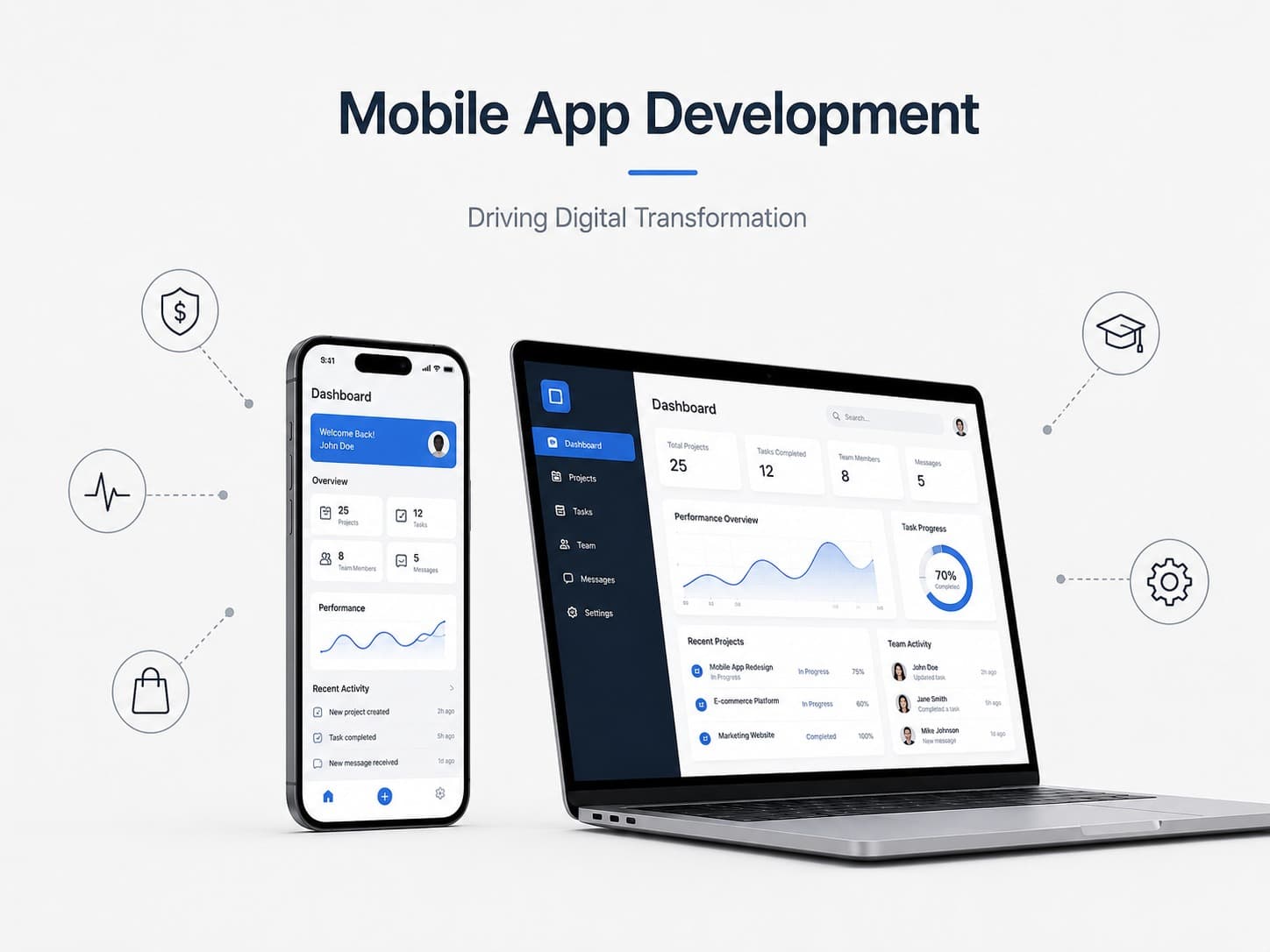
Mobile applications have become an essential part of modern business and everyday life. From banking and healthcare to education, retail, and government services, mobile apps are transforming how organizations interact with users and deliver services. As smartphone adoption continues to grow, businesses and institutions are investing in mobile solutions to meet evolving user expectations and remain competitive in the digital age.
Modern mobile applications do more than provide digital convenience. They enable real-time communication, streamline workflows, improve accessibility, and create personalized user experiences that drive engagement and efficiency.
Why Mobile App Development Matters
Organizations today operate in an increasingly mobile-first environment. Customers, employees, and stakeholders expect instant access to information and services anytime and anywhere.
Key reasons organizations invest in mobile applications include:
- Improved customer engagement
- Enhanced service accessibility
- Real-time communication and notifications
- Increased operational efficiency
- Better data collection and insights
- Stronger brand visibility
- Competitive market advantage
By leveraging mobile technologies, organizations can create seamless digital experiences while improving business performance and customer satisfaction.
Key Benefits of Mobile Applications
Enhanced User Experience
Mobile apps provide intuitive interfaces and personalized experiences tailored to user preferences. Features such as push notifications, offline access, and location-based services help organizations deliver more relevant and engaging interactions.
Improved Accessibility
Users can access services, information, and support directly from their smartphones without needing to visit physical locations or use desktop computers.
Increased Productivity
Mobile applications enable employees and field teams to perform tasks, submit reports, access information, and communicate effectively while on the move.
Real-Time Communication
Push notifications, in-app messaging, and alerts allow organizations to communicate instantly with users, improving responsiveness and engagement.
Data-Driven Insights
Mobile applications generate valuable user data that organizations can analyze to understand behavior, optimize services, and make informed business decisions.
Popular Applications of Mobile Technology
E-Commerce and Retail
Mobile shopping applications allow customers to browse products, make purchases, track orders, and receive personalized recommendations from anywhere.
Healthcare Solutions
Healthcare apps support appointment scheduling, telemedicine consultations, prescription management, and patient monitoring, improving access to medical services.
Financial Services
Mobile banking and fintech applications enable secure transactions, account management, digital payments, and financial planning through convenient mobile interfaces.
Education Platforms
Educational applications provide access to online learning resources, virtual classrooms, assessments, and student progress tracking.
Government and Public Services
Governments are increasingly adopting mobile applications to deliver citizen services, collect feedback, process applications, and improve communication with communities.
Essential Features of Modern Mobile Apps
Successful mobile applications typically include features designed to improve usability, security, and performance.
- User-friendly interface and navigation
- Secure authentication and access control
- Push notifications and alerts
- Cloud synchronization
- Offline functionality
- Location-based services
- Analytics and reporting
- Integration with third-party systems
Technologies Powering Mobile App Development
Cross-Platform Development
Modern frameworks such as Flutter and React Native enable developers to build applications for both Android and iOS using a single codebase, reducing development time and costs.
Cloud Computing
Cloud services provide scalable infrastructure, secure data storage, and seamless synchronization across devices and platforms.
Artificial Intelligence
AI-powered features such as chatbots, recommendation engines, voice assistants, and predictive analytics are enhancing mobile user experiences.
Internet of Things (IoT)
Mobile applications increasingly connect with IoT devices to monitor assets, collect data, and automate processes in real time.
Best Practices for Mobile App Development
Focus on User Needs
Understanding user expectations and behavior is essential for designing applications that deliver meaningful value and encourage long-term engagement.
Prioritize Security
Applications should implement strong security measures including encryption, secure authentication, and data protection mechanisms to safeguard user information.
Optimize Performance
Fast loading times, responsive interfaces, and efficient resource utilization contribute to a better user experience and higher retention rates.
Ensure Scalability
Applications should be designed to accommodate growing user bases, additional features, and evolving business requirements.
Emerging Trends in Mobile App Development
AI-Powered Mobile Experiences
Artificial intelligence is enabling smarter mobile applications that offer personalized recommendations, automated support, and predictive insights.
5G Connectivity
The expansion of 5G networks is improving application performance, enabling faster downloads, real-time streaming, and enhanced mobile experiences.
Augmented Reality (AR)
AR technologies are creating immersive experiences in retail, education, healthcare, and entertainment through interactive mobile applications.
Mobile-First Digital Services
Organizations are increasingly designing services with mobile users in mind first, ensuring accessibility and convenience across all digital interactions.
Looking Ahead
Mobile applications will continue to play a central role in digital transformation strategies across industries. As technologies evolve and user expectations increase, organizations must invest in innovative, secure, and scalable mobile solutions that deliver meaningful experiences.
Whether supporting customers, employees, citizens, or business partners, mobile applications provide a powerful platform for engagement, productivity, and growth in an increasingly connected world.
Similar Blogs
JUNE 4, 2026
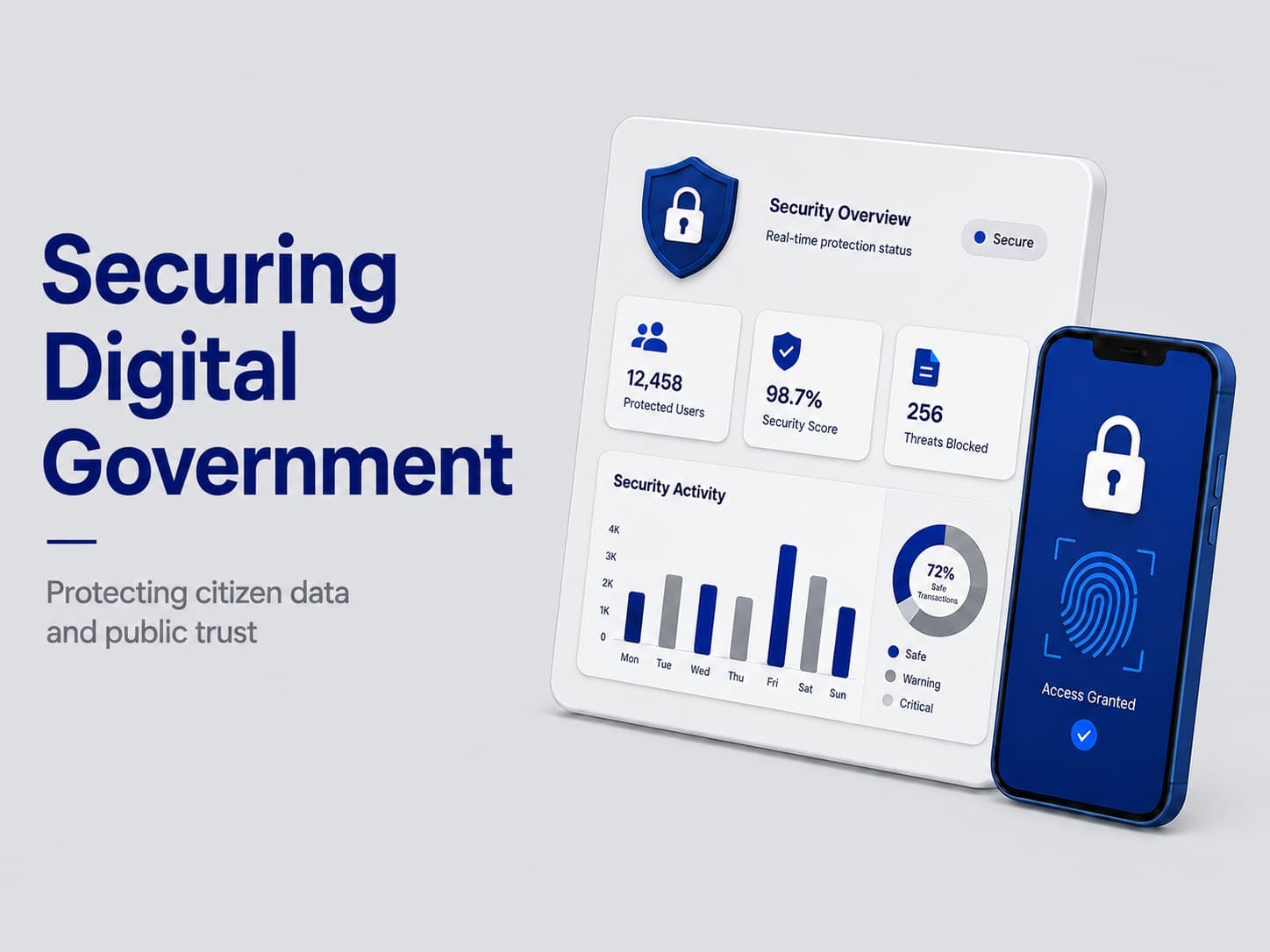
Cybersecurity Best Practices for Government Digital Platforms
Learn how governments can protect citizen data and strengthen digital security through effective cybersecurity practices
Read more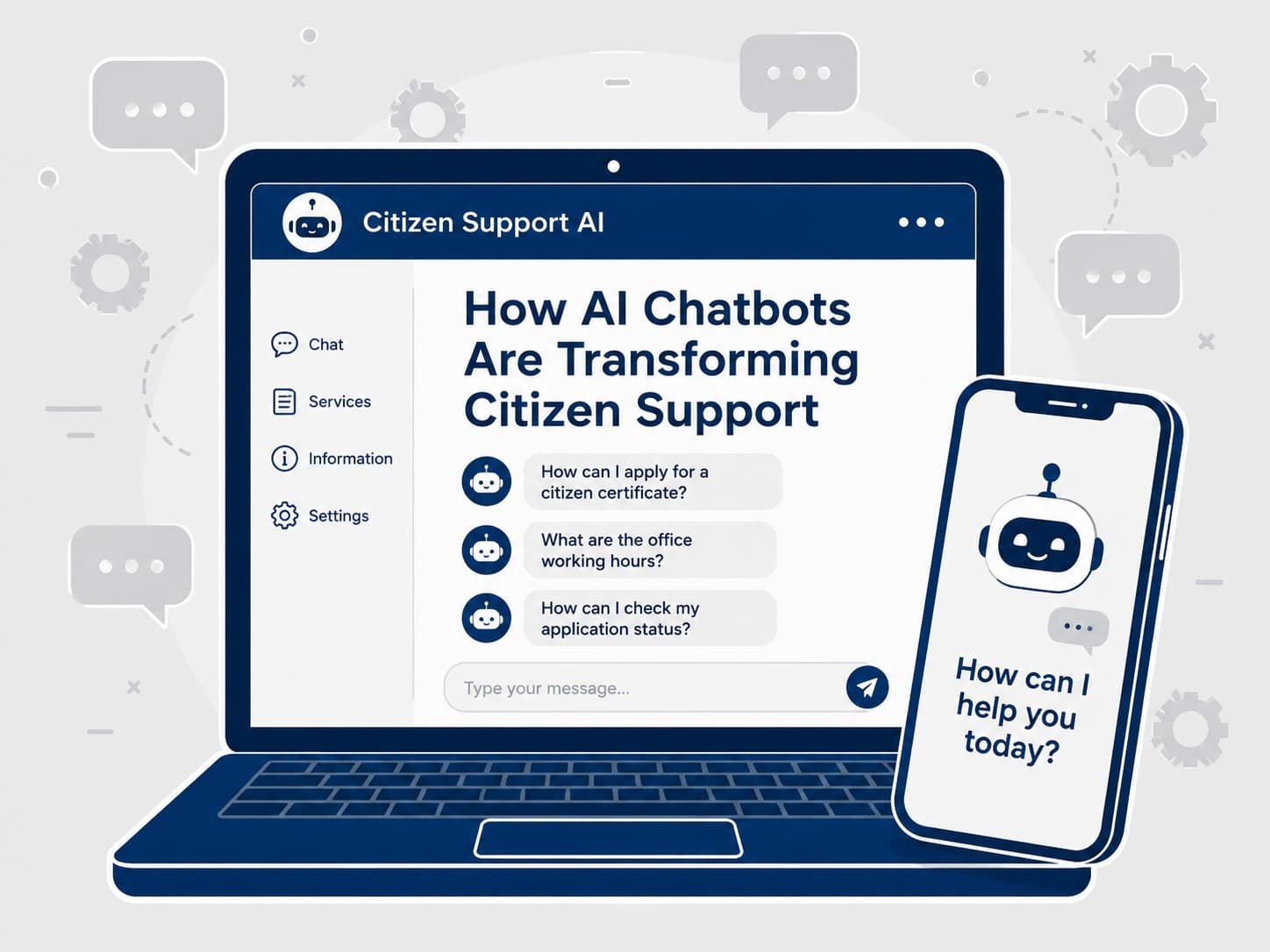
JUNE 4, 2026
How AI Chatbots Are Transforming Citizen Support Services
See gow AI chatbots enable faster, smarter, and more accessible citizen support.
Read more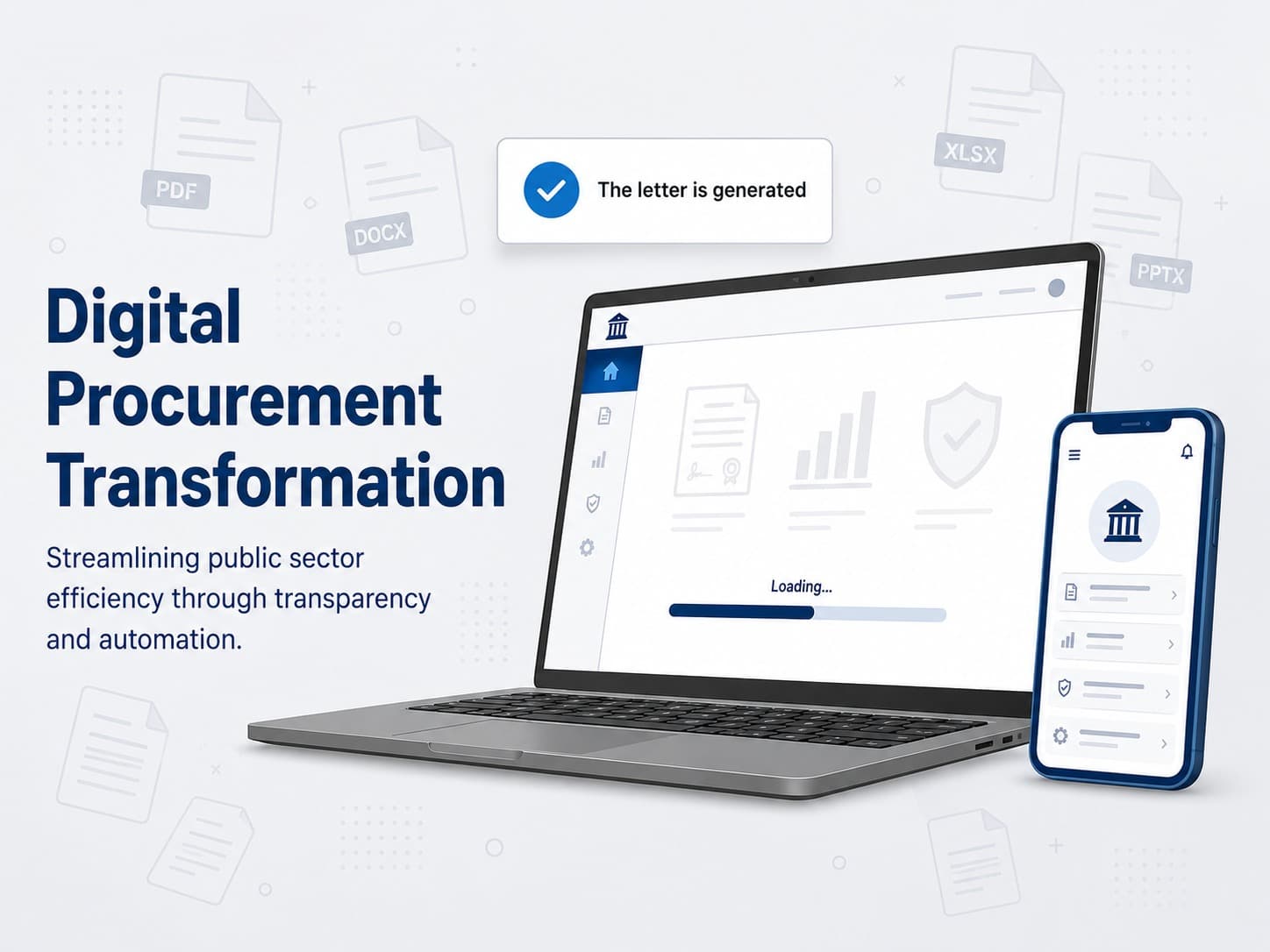
JUNE 4, 2026
Modernizing Public Procurement Through Digital Platforms
See how Digital procurement platforms enhance transparency, efficiency, and oversight.
Read moreLet’s Engineer Your Digital Future And Make It Happen
Whether you're just starting out or refining an existing idea, we're here to listen and help. Connect with us for a free consultation and personalized guidance.
Book a free consultation