How AI Chatbots Are Transforming Citizen Support Services
Posted on AUGUST 12, 2026
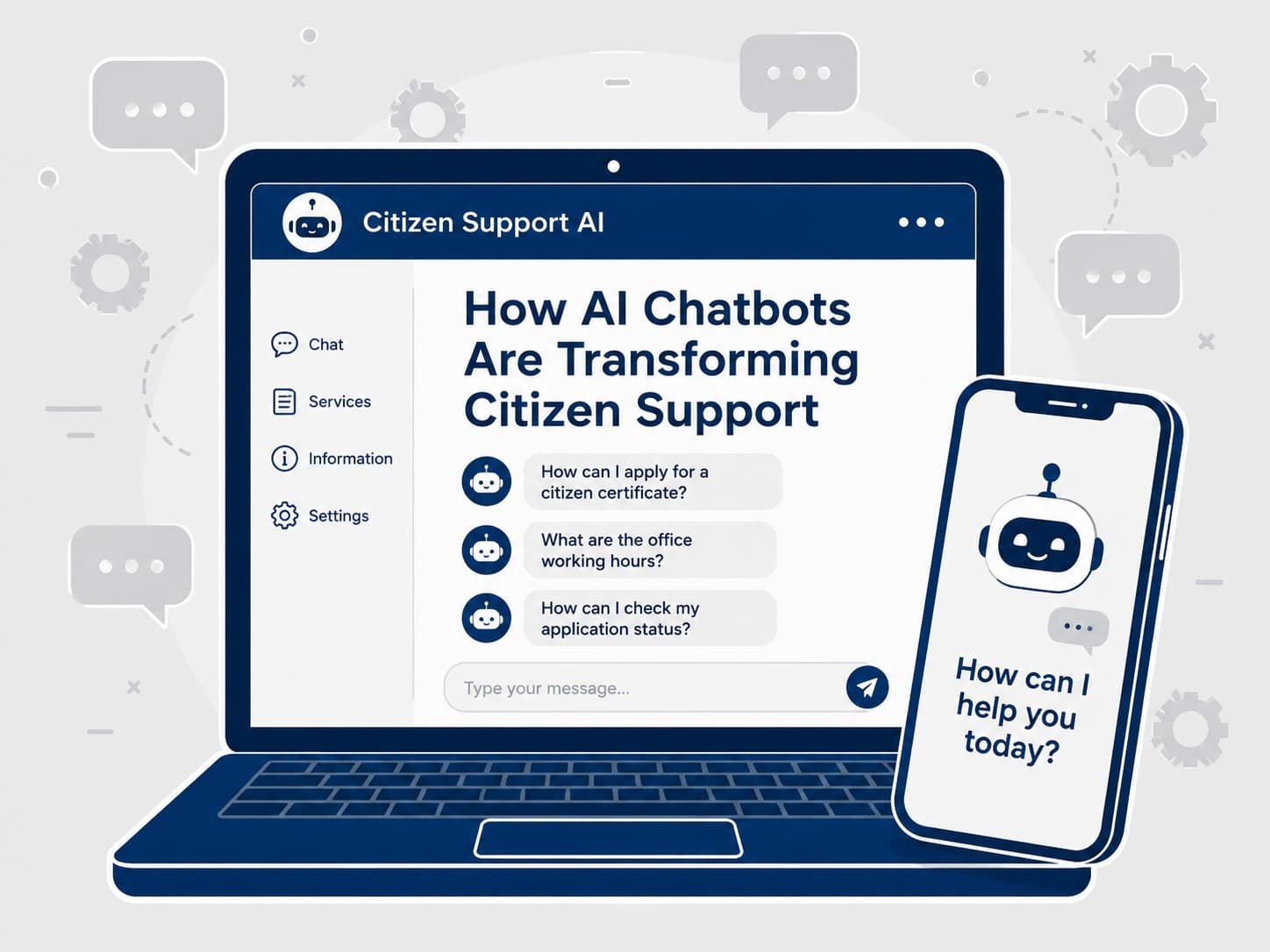
Citizens today expect the same level of convenience from government services that they receive from banks, e-commerce platforms, and digital service providers. They want quick answers, easy access to information, and support that is available whenever they need it. However, many public institutions continue to rely on traditional support channels that can be slow, resource-intensive, and difficult to scale.
Artificial Intelligence (AI) chatbots are changing this landscape by providing instant, accurate, and accessible support to citizens around the clock. From answering service-related questions and guiding users through application processes to assisting with complaint registration and information requests, AI-powered chatbots are helping governments deliver smarter, more responsive public services.
As digital transformation accelerates across the public sector, AI chatbots are becoming a key component of modern citizen engagement strategies.
Why Citizen Support Needs Modernization
Government agencies receive thousands of inquiries every day regarding public services, regulations, application procedures, project updates, grants, permits, and administrative processes.
Traditional support systems often face challenges such as:
- High volumes of repetitive inquiries
- Limited support outside office hours
- Long response and resolution times
- Inconsistent information delivery
- Increasing operational costs
- Difficulty scaling support services
These challenges can affect citizen satisfaction and place significant pressure on government support teams.
AI chatbots help address these issues by automating routine interactions while ensuring citizens receive timely and reliable assistance.
What Is an AI Chatbot?
An AI chatbot is a conversational software application that uses artificial intelligence and natural language processing (NLP) to understand user questions and provide relevant responses.
Unlike traditional rule-based systems, modern AI chatbots can understand context, interpret user intent, and retrieve information from large knowledge bases such as policy documents, service manuals, regulations, and operational guidelines.
This enables them to provide accurate and meaningful assistance across a wide range of citizen support scenarios.
How AI Chatbots Improve Citizen Services
24/7 Availability
One of the most significant advantages of AI chatbots is their ability to provide support at any time.
Citizens can access information:
- Outside office hours
- During weekends and holidays
- From remote locations
- Without waiting in queues
This ensures continuous access to public information and services.
Faster Response Times
Traditional support channels often involve waiting for emails, phone calls, or office visits.
AI chatbots provide instant responses to common inquiries such as:
- Application requirements
- Service procedures
- Required documents
- Payment processes
- Office locations
- Status updates
This significantly improves the overall citizen experience.
Consistent and Accurate Information
Government procedures often involve complex regulations and documentation requirements.
AI chatbots can be connected to official manuals, standard operating procedures (SOPs), policy documents, and regulatory frameworks, ensuring that responses remain:
- Consistent
- Accurate
- Up-to-date
- Compliant with official guidelines
This reduces misinformation and improves service reliability.
Reduced Administrative Workload
Many support requests involve repetitive questions that consume valuable staff time.
By automating routine inquiries, AI chatbots allow government employees to focus on:
- Complex citizen cases
- Policy implementation
- Service improvements
- Strategic initiatives
This leads to more efficient resource utilization across public institutions.
Key Applications of AI Chatbots in Government
Citizen Service Portals
AI assistants can guide users through online services, helping them complete applications, access information, and navigate digital platforms.
Complaint and Feedback Management
Chatbots can assist citizens in submitting complaints, tracking requests, and receiving updates on issue resolution.
Agriculture and Rural Services
Farmers can use AI-powered support systems to access information about grants, subsidies, training programs, and agricultural services.
Procurement and Contract Support
Government staff and vendors can obtain guidance on procurement procedures, bid requirements, and contract-related processes.
Educational Services
Students, parents, and educators can receive information about school programs, educational initiatives, and administrative procedures through conversational interfaces.
The Power of Multilingual Support
One of the greatest opportunities for AI in public service delivery is multilingual communication.
Modern AI chatbots can provide support in:
- English
- Nepali (Devanagari)
- Romanized Nepali
- Regional languages
- Other international languages
Multilingual capabilities help ensure that government services remain accessible to diverse populations regardless of language preferences.
Hybrid Support: Combining AI and Human Expertise
While AI chatbots are highly effective for routine inquiries, some situations require human intervention.
Modern support systems increasingly adopt a hybrid model that combines:
AI-Based Resolution
The chatbot handles common and repetitive inquiries instantly.
Human Escalation
Complex or specialized issues are seamlessly transferred to human experts through integrated messaging and ticketing systems.
This human-in-the-loop approach provides the best of both worlds:
- Faster support
- Higher accuracy
- Improved user satisfaction
- Efficient use of human resources
Data and Insights Beyond Support
AI chatbots do more than answer questions—they generate valuable operational insights.
Administrative dashboards can help organizations analyze:
- Frequently asked questions
- Service bottlenecks
- User behavior patterns
- Regional support needs
- Knowledge gaps
- Training requirements
These insights enable organizations to continuously improve services and address recurring issues proactively.
Emerging Trends in Government AI
Generative AI Integration
New AI technologies are enabling chatbots to provide more natural, conversational, and context-aware responses.
Voice-Based Government Assistants
Citizens may soon access government services through voice interactions using smartphones and smart devices.
Predictive Citizen Support
AI systems are increasingly capable of anticipating user needs and proactively providing relevant information before questions are asked.
Integration with Government Systems
Future AI assistants will be more deeply connected to service portals, procurement platforms, planning systems, audit systems, and citizen databases.
This integration will create more personalized and efficient support experiences.
Challenges and Considerations
Successful AI implementation requires careful planning and governance.
Organizations should focus on:
- Data Security and Privacy
- Knowledge Base Accuracy
- Continuous Training
- Human Oversight
Protecting citizen information, maintaining accurate knowledge sources, continuously improving AI performance, and ensuring human oversight are critical for long-term success.
Looking Ahead
AI chatbots are rapidly becoming a cornerstone of digital government and citizen engagement strategies. By providing instant support, improving accessibility, reducing operational workloads, and generating valuable insights, they help public institutions deliver more responsive and citizen-centric services.
As governments continue their digital transformation journeys, AI-powered support systems will play an increasingly important role in bridging the gap between citizens and public services. Organizations that invest in intelligent support technologies today will be better positioned to meet growing expectations, improve service quality, and build stronger relationships with the communities they serve.
The future of citizen support is not simply digital—it is intelligent, accessible, and available whenever citizens need it.
Similar Blogs
JUNE 4, 2026
Cybersecurity Best Practices for Government Digital Platforms
Learn how governments can protect citizen data and strengthen digital security through effective cybersecurity practices
Read more
AUGUST 12, 2026
Mobile App Development: Driving Digital Transformation Across Industries
Explore how mobile apps boost engagement, streamline operations, and drive digital transformation.
Read more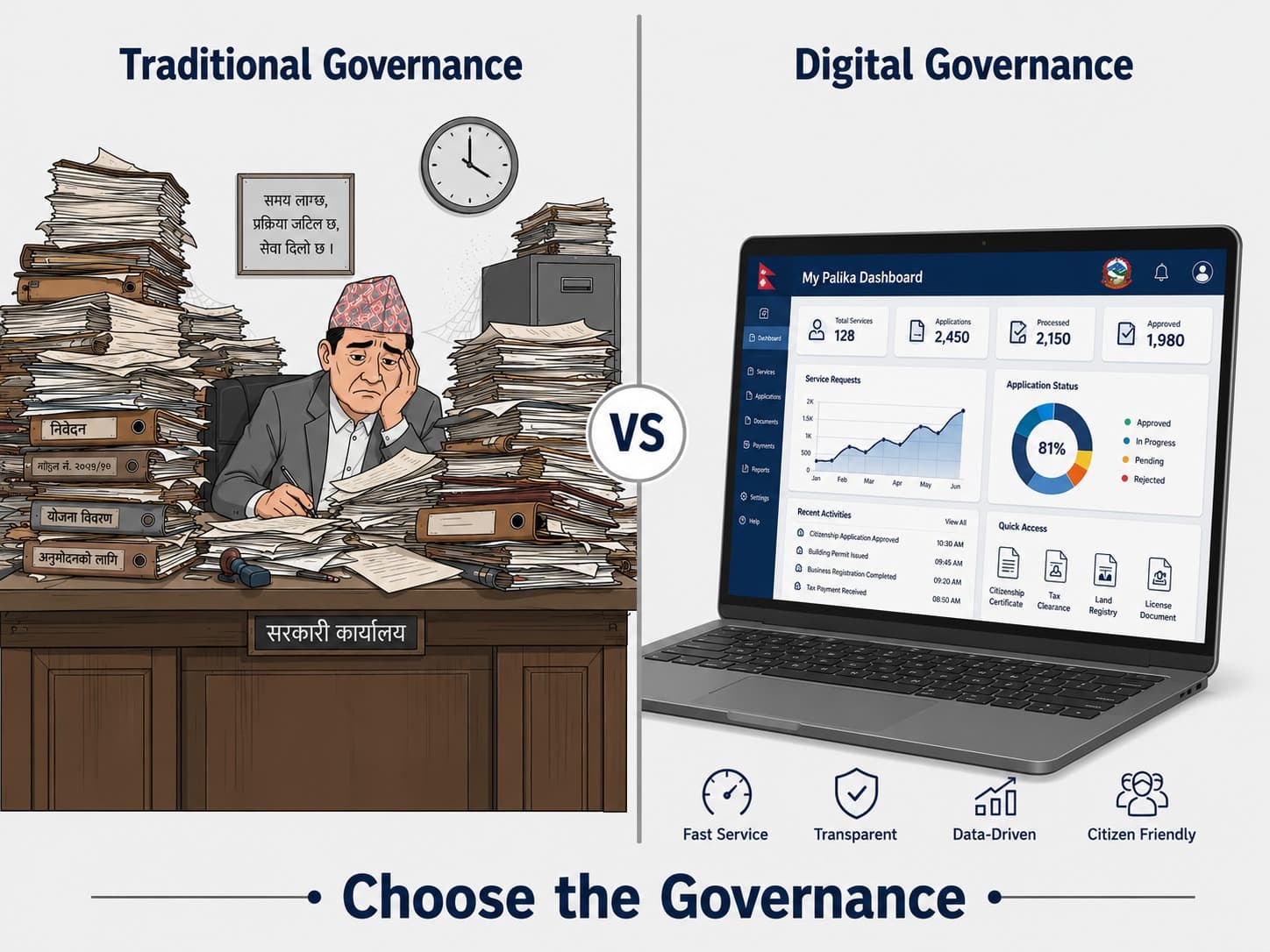
JUNE 4, 2026
Digital Transformation for Local Governments
Discover how digital transformation helps municipalities modernize services, improve transparency, and create smarter, citizen-focused communities.
Read moreLet’s Engineer Your Digital Future And Make It Happen
Whether you're just starting out or refining an existing idea, we're here to listen and help. Connect with us for a free consultation and personalized guidance.
Book a free consultation