Digital Transformation for Local Governments: The Complete Guide to Building Smart Municipalities
Posted on AUGUST 12, 2026
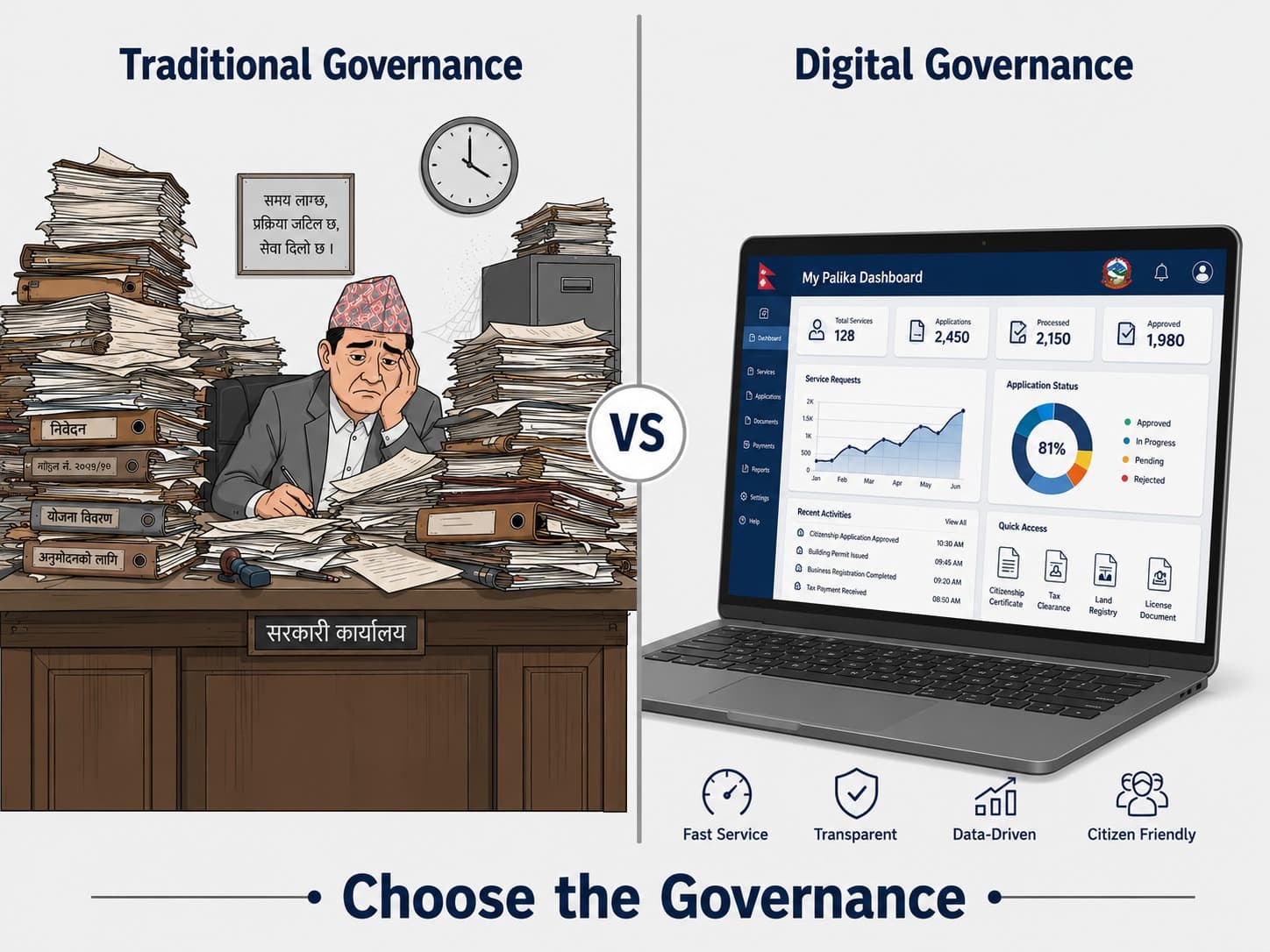
Digital transformation is rapidly becoming a strategic priority for local governments worldwide. As citizens increasingly expect fast, transparent, and accessible public services, municipalities must modernize outdated systems and embrace innovative technologies that improve governance and service delivery.
From e-governance portals and digital procurement systems to GIS-powered monitoring platforms and AI-driven citizen support services, technology is helping local governments operate more efficiently while strengthening public trust. This guide explores how digital transformation is reshaping municipal administration and why investing in modern government technology is essential for building smart municipalities.
What Is Digital Transformation in Local Government?
Digital transformation in local government refers to the adoption of digital technologies to improve public services, streamline administrative processes, and enhance citizen engagement. Rather than simply digitizing paper-based workflows, true transformation rethinks how government services are delivered, monitored, and improved.
A successful digital transformation strategy connects people, processes, and technology to create a more efficient and citizen-centric governance ecosystem.
Why Digital Transformation Matters for Municipalities
Many municipalities still rely on manual processes, disconnected databases, and paper-based reporting systems. These traditional approaches often result in service delays, limited transparency, and increased administrative costs.
By implementing modern e-governance solutions, local governments can:
- Deliver public services faster and more efficiently
- Improve transparency and accountability
- Reduce paperwork and operational costs
- Enhance citizen engagement and satisfaction
- Improve project monitoring and financial oversight
- Enable data-driven policy and planning decisions
- Strengthen regulatory compliance and reporting
As urban populations grow and public expectations evolve, digital government solutions are becoming a necessity rather than an option.
Key Components of a Smart Municipality
Digital Citizen Service Portals
A modern citizen service portal acts as a centralized gateway for municipal services. Citizens can access information, submit applications, schedule appointments, lodge complaints, and receive important updates through a single platform.
Benefits include:
- Reduced physical visits to government offices
- Faster service delivery
- Improved citizen satisfaction
- Greater transparency in service processes
Planning and Project Monitoring Systems
Development projects require continuous monitoring to ensure budgets, timelines, and objectives remain on track. Digital planning and monitoring systems provide real-time visibility into project performance through dashboards, reports, and GIS-based maps.
These systems help municipalities:
- Monitor project progress in real time
- Track budget utilization
- Improve accountability
- Generate automated reports for stakeholders
Digital Procurement and Contract Management
Procurement is one of the most critical functions within public administration. Modern procurement management systems automate vendor registration, bid evaluations, contract tracking, and compliance reporting.
Key advantages include:
- Increased transparency
- Reduced procurement risks
- Faster evaluation processes
- Better contract oversight
Audit and Compliance Management
Digital audit management systems simplify the tracking and resolution of audit observations while maintaining complete documentation and reporting trails.
Organizations benefit from:
- Faster audit follow-up
- Improved financial governance
- Enhanced compliance monitoring
- Reduced operational risk
Agriculture and Community Service Platforms
Local governments increasingly use digital platforms to support farmers, community groups, and local businesses. Features such as farmer profiling, grant management, subsidy tracking, and agricultural marketplaces improve service accessibility and development outcomes.
Technologies Driving Government Digitalization
Cloud Computing
Cloud technology provides municipalities with secure, scalable infrastructure that reduces maintenance costs while improving accessibility and system performance.
Geographic Information Systems (GIS)
GIS has become an essential tool for smart municipalities. It enables governments to visualize infrastructure projects, public assets, development indicators, and service coverage through interactive maps.
Applications include:
- Infrastructure monitoring
- Resource allocation
- Disaster management
- Urban planning
- Development tracking
Artificial Intelligence (AI)
AI-powered solutions are transforming citizen support and administrative efficiency. Modern AI assistants can answer user queries, provide procedural guidance, automate routine tasks, and offer decision-support insights.
Common government AI use cases include:
- Citizen support chatbots
- Helpdesk automation
- Knowledge management systems
- Data analysis and forecasting
Data Analytics and Business Intelligence
Government agencies generate large volumes of information every day. Data analytics platforms convert this information into actionable insights that support better planning, budgeting, and service delivery.
Benefits include:
- Evidence-based decision-making
- Performance monitoring
- Trend analysis
- Improved operational efficiency
Mobile Applications
Mobile technologies extend government services beyond office walls. Field staff can submit reports, citizens can access services remotely, and administrators can monitor activities in real time.
Best Practices for Successful E-Governance Implementation
Start with Citizen Needs
Technology should simplify access to services and improve user experiences. Understanding citizen expectations is critical when designing digital solutions.
Prioritize Data Quality
Accurate and reliable data forms the foundation of effective digital governance. Establish clear standards for data collection, validation, and management.
Build Scalable Systems
Municipal needs evolve over time. Flexible and scalable platforms ensure long-term sustainability and reduce future implementation costs.
Invest in Training and Change Management
Digital transformation succeeds when users adopt and effectively utilize new systems. Training programs and stakeholder engagement are essential for smooth implementation.
Ensure Security and Compliance
Government systems handle sensitive information that requires robust cybersecurity protections, role-based access controls, and compliance with regulatory requirements.
The Future of Smart Municipalities
The future of local government lies in connected, data-driven, and citizen-focused digital ecosystems. Emerging technologies such as artificial intelligence, predictive analytics, Internet of Things (IoT), and advanced GIS platforms will continue to reshape public administration.
Municipalities that embrace digital transformation today will be better positioned to:
- Deliver efficient public services
- Improve transparency and accountability
- Optimize public spending
- Respond to citizen needs more effectively
- Support sustainable urban development
Conclusion
Digital transformation for local governments is no longer a future initiative—it is a present-day requirement for effective governance. By adopting modern e-governance solutions, municipalities can streamline operations, improve citizen experiences, and make better decisions through data and technology.
Whether implementing a citizen service portal, a planning and monitoring platform, a procurement management system, or an AI-powered support solution, the goal remains the same: building smarter, more transparent, and more responsive municipalities that serve their communities effectively in the digital age.
Similar Blogs
JUNE 4, 2026
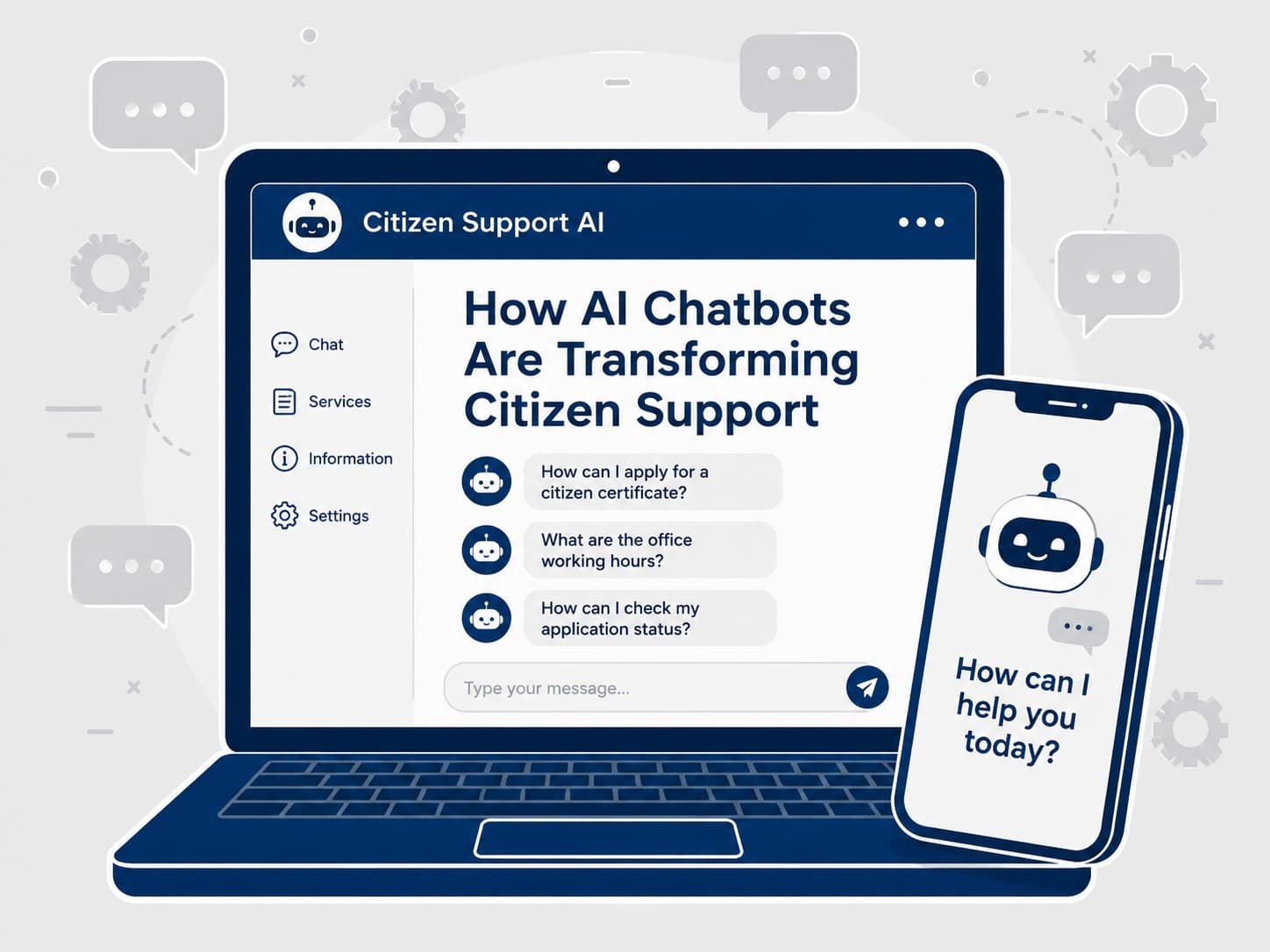
How AI Chatbots Are Transforming Citizen Support Services
See gow AI chatbots enable faster, smarter, and more accessible citizen support.
Read more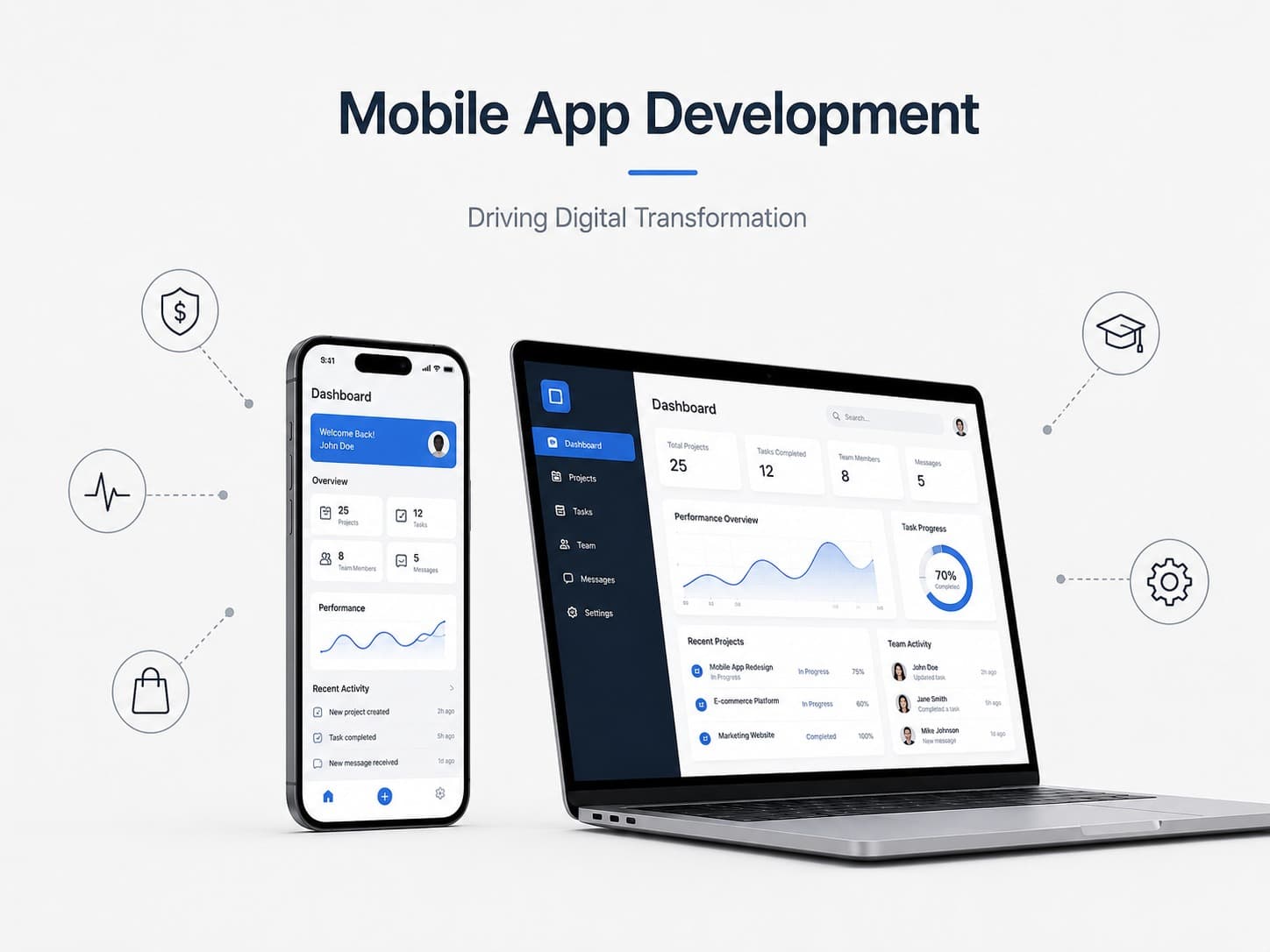
AUGUST 12, 2026
Mobile App Development: Driving Digital Transformation Across Industries
Explore how mobile apps boost engagement, streamline operations, and drive digital transformation.
Read more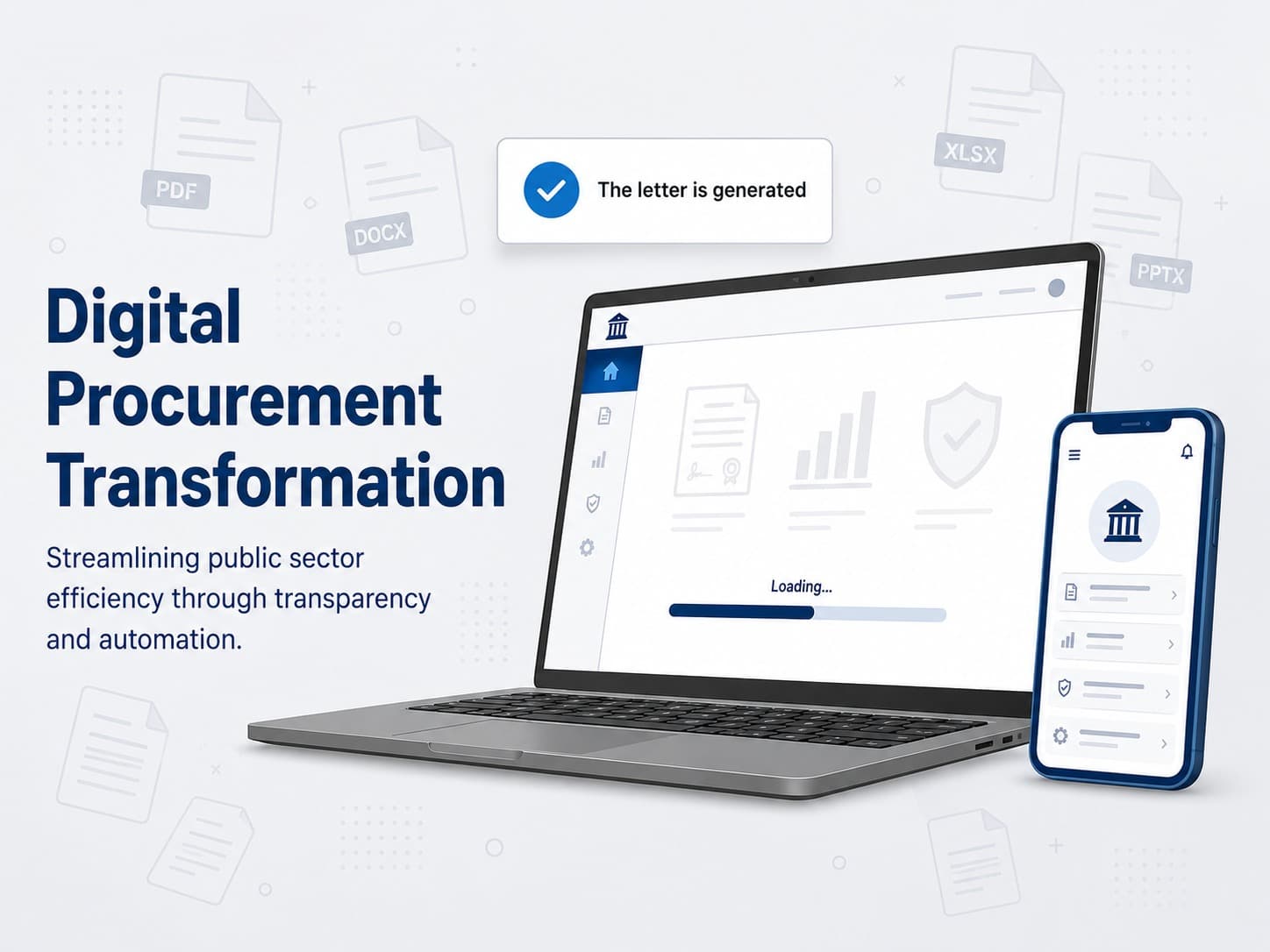
JUNE 4, 2026
Modernizing Public Procurement Through Digital Platforms
See how Digital procurement platforms enhance transparency, efficiency, and oversight.
Read moreLet’s Engineer Your Digital Future And Make It Happen
Whether you're just starting out or refining an existing idea, we're here to listen and help. Connect with us for a free consultation and personalized guidance.
Book a free consultation